


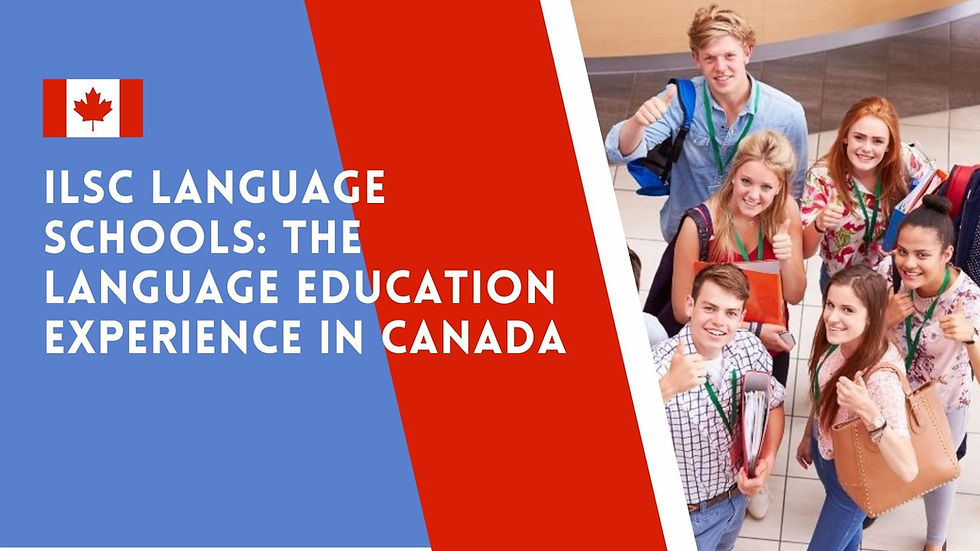
ILSC Language Schools: The Language Education Experience in Canada

Language education in Canada is not limited to improving English proficiency alone. It also involves adapting to a new country, communicating in a multicultural environment, and laying the foundation for long-term academic or career plans. In this context, ILSC Language Schools stands out as a strong reference point for international students who wish to study English in Canada.
With a long history of operating in Canada, ILSC provides a comprehensive language education experience through its diverse range of programs, flexible academic structure, and student-centered approach. Studying at ILSC in Canada goes beyond classroom instruction, encompassing campus life, social interaction, and academic preparation as integral parts of the learning process.
In this guide, we examine ILSC Language Schools in Canada from all perspectives, covering the cities where campuses are located, program options, campus life, application and visa planning, university pathway programs, and post-language-study options in Canada.
Which Cities Does ILSC Operate In?
ILSC Language Schools operates in three major Canadian cities: Vancouver, Toronto, and Montreal. Each city offers students a distinct lifestyle and educational atmosphere.
Vancouver
Vancouver is considered one of Canada’s most livable cities, combining urban life with nature. With its oceanfront setting, forests, and mountain views, the city is particularly appealing to students seeking a calm and balanced lifestyle.
ILSC Vancouver campuses are conveniently located near the city center, providing easy access to public transportation, social spaces, and daily necessities. Spending time in parks after class, walking along the coastline, or participating in outdoor activities makes it easier to extend language practice beyond the classroom. Vancouver’s multicultural population naturally creates an environment where students can communicate with people from different backgrounds.
Toronto
Toronto is Canada’s largest metropolitan area and serves as one of the country’s key economic, cultural, and academic hubs. Its international character offers students a strong social environment shaped by global diversity.
The ILSC Toronto campus stands out with its central location. Being close to restaurants, cafes, parks, and cultural events supports students in actively using English in their daily lives. Toronto is especially attractive for students who plan to pursue further academic studies or professional careers in the future.
Montreal
Montreal is one of the few Canadian cities where both English and French are commonly used. This makes it a unique option for students who want to experience a bilingual environment.
In addition to English programs, the ILSC Montreal campus also offers French language options. The city’s European-inspired architecture, cultural events, and lively festival calendar encourage students to practice language skills beyond the classroom. Montreal stands out for those who wish to combine language learning with cultural immersion.
While all ILSC campuses in Canada adhere to the same academic standards, each city offers a distinct experience shaped by its local dynamics, which contributes to students’ linguistic and cultural development.
General English vs. Academic English Programs
Education at ILSC is structured around a flexible system designed to align with students’ individual goals. Within this structure, the two most commonly chosen programs are General English and Academic English (EAP).
General English Programs
General English programs aim to improve students’ everyday communication skills. Speaking, listening, reading, and writing skills are addressed in a balanced manner. One of the most notable features of the program is its flexibility, which allows students to tailor their courses to their individual needs.
Students can update their course selections at specific intervals, choosing classes focused on conversation, vocabulary development, or business English. This flexibility is a significant advantage for students who come to Canada primarily to improve their ability to use English comfortably in daily life.
General English serves as an ideal starting point for students who want to adapt to social life in Canada, build confidence in their communication, and strengthen their language foundation.
Academic English (EAP) Programs
Academic English programs are designed for students planning to pursue college or university education in Canada. These programs focus on skills such as academic reading, writing, presentations, and note-taking.
Academic English goes beyond language proficiency by helping students develop academic thinking, research skills, and structured writing habits. For students aiming to transition into university pathway programs, this preparation plays a critical role in academic readiness.
Thanks to ILSC’s modular system, students can begin with General English and later transition into Academic English based on their level and goals. This progression is planned in accordance with the student’s development and academic objectives.

Campus Life for ILSC Students
At ILSC, language education is viewed as a holistic experience that begins in the classroom and extends to campus and city life.
Multicultural Learning Environment
ILSC campuses bring together students from various countries around the world. This multicultural environment helps learners become familiar with different accents and develop real-life communication skills. It also fosters a supportive atmosphere that reduces the fear of making mistakes.
Social and Cultural Activities
Social activities organized by the school encourage students to practice English outside the classroom. City tours, conversation clubs, cultural events, and on-campus gatherings help students expand their social circles while using the language in practical settings.
Campus Facilities and Student Support
ILSC campuses provide common areas where students can relax between classes. Student services teams offer guidance not only on academic matters but also on accommodation, daily life, and cultural adaptation. This support is especially valuable for students arriving in Canada for the first time.
Accommodation and Daily Life
Homestay accommodation is a popular option for students who want to integrate English into their daily routines. Additionally, student residences and shared housing options are available. Accommodation choices can be tailored to suit the student’s budget and lifestyle preferences.
Application Process and Visa Planning
When planning to study at ILSC in Canada, the process typically involves two interconnected stages: school application and visa preparation. Coordinating these steps consistently is essential for a smooth experience. The journey begins with school selection and continues with a well-structured visa strategy.
School Application Process
The first step of the application process is determining the most suitable city, program type, and duration based on the student’s goals. Cities such as Vancouver, Toronto, and Montreal differ in terms of cost of living, social environment, and academic opportunities. Therefore, city selection should consider not only education but also daily life planning.
During program selection, students evaluate options such as General English or Academic English. The student’s current language level, expectations from the program, and post-language-study goals play a key role in this decision. Program duration is also planned according to these factors. Students pursuing short-term language training and those aiming to transition into academic programs typically require different timelines.
Once these elements are finalized, the application form is completed, and the registration process begins. Since ILSC offers multiple start dates throughout the year, students can choose a period that aligns with their plans. However, during peak seasons such as summer, early planning provides greater flexibility and availability.
Application fees generally include registration and material costs. These are fixed expenses that are charged independently of the program length. When evaluating ILSC tuition fees, it is essential to consider these fixed costs in conjunction with the weekly tuition rates. Longer programs may offer different pricing structures, with variations in weekly rates.
After the application is completed, the school issues an acceptance letter. This document not only confirms enrollment but also serves as the foundation for the visa application. Therefore, completing the application process carefully and accurately supports the success of subsequent steps.

Visa Planning
Visa planning is often perceived as a technical step, but in reality, it is closely tied to the duration of study, program type, and post-study goals. For this reason, the visa strategy should be approached with the same level of attention as school selection.
While shorter language programs may proceed under visitor status, longer study plans or academic progression goals require appropriate visa planning from the outset. Changing visa status during the education process can involve additional time and documentation, making early planning essential.
Visa applications are assessed based on the clarity of the student’s educational purpose and the consistency of their plans in Canada. Supporting documents should clearly demonstrate the student’s ability to cover both education and living expenses. Presenting education plans, accommodation arrangements, financial resources, and future goals as a cohesive whole contributes to a smoother evaluation process.
For students aiming to transition into academic programs after language study, visa planning should consider not only the current stage but also the next step. This approach helps create a more predictable and manageable process.
University Pathway Programs with ILSC Canada
ILSC positions language education as a natural step toward academic life in Canada. This approach focuses not only on improving language proficiency but also on preparing students academically and mentally for college or university environments.
University pathway programs help students develop language skills while adapting to academic expectations. Students follow a structured roadmap based on the requirements of their target institutions. Courses taken during this period cover academic writing standards, presentation techniques, research methods, time management, and language development.
This preparation enables students to enter Canada’s academic system with greater confidence and awareness. For students transitioning from different educational systems, pathway programs offer a valuable advantage by facilitating a smoother adaptation. Academic habits developed during language study help students manage coursework and meet expectations more effectively once formal studies begin.
Through this approach, ILSC transforms language education from a standalone goal into a foundational component of a broader academic plan. As a result, students enter academic programs with both the required language level and essential academic skills.
Options After Completing Language Education in Canada
Post-language-study options in Canada depend on the student’s academic goals, career plans, and long-term expectations. There is no single path that fits everyone; instead, different scenarios can be evaluated based on individual profiles.
One of the most common and sustainable options is continuing education at a Canadian college or university. This transition allows students to structure their education within a longer-term framework while maintaining their status in Canada and supporting both academic and personal development.
Language education alone does not grant work authorization in Canada. However, completing an eligible academic program after language study may open different opportunities at later stages. For this reason, language education is often viewed as the first step of a broader plan rather than an endpoint.
For some students, remaining in Canada may involve short-term plans rather than academic continuation. In such cases, the visa duration, current status, and future objectives must be evaluated in conjunction. Post-study planning requires informed and realistic decision-making rather than rushed choices.
The possibility of staying in Canada after language education is directly linked to the planning done from the very beginning. Progressing through the education process with the next step in mind supports a more stable and strategic path.

What Sets ILSC Apart from Other Language Schools?
Key factors that distinguish ILSC Language Schools include:
● Long-standing international experience
● Flexible, student-centered academic structure
● Strong preparation approach aligned with academic goals
● Student services supporting campus life and cultural adaptation
These elements position ILSC as a strong alternative for students considering language education in Canada.
We Are with You Throughout Your Language Education Journey in Canada
Language education in Canada is not limited to school enrollment alone. Moving to a new country involves adapting to a different education system, establishing daily routines, and planning long-term goals through informed steps. For this reason, the language education process should be viewed as both an academic and a lifestyle adaptation journey.
Establishing accommodation arrangements, learning local transportation systems, acquiring practical knowledge for daily needs, and aligning education programs with personal goals are essential components of this process. Regardless of educational quality, the experience can become challenging if students do not feel prepared and supported.
As C&C Education, Visa and Immigration in Canada, we understand that students’ needs extend beyond academic matters. When planning language education, factors such as city selection, program choice, and study duration must align with budget considerations, lifestyle expectations, and future academic steps. Therefore, we approach the process as part of a broader journey rather than a simple school selection.
Our advisory approach is structured to consider both current goals and potential future options. For students planning to transition into academic programs, we evaluate timing, preparation stages, and process management together. Similarly, for students pursuing short-term language education, we aim to ensure a smooth and well-organized experience in Canada.
Our goal is to support you in feeling more prepared, secure, and informed from your very first days in Canada. We value guiding you to consider not only the present moment but also the next step as your education progresses. By doing so, we aim to help structure your language education and subsequent journey in a clear, sustainable, and personalized way that aligns with your goals.
If you would like to learn more about language education and daily life in Canada, refine your plans, or discuss your questions with us, you can always reach out. We recognize the importance of moving forward with accurate information and not feeling alone throughout this journey. We aim to make your experience safer and more predictable at every stage. amaçlıyoruz.
C&C's In-Depth Expertise and Knowledge
Our team has extensive and detailed knowledge of Canada's immigration laws and regulations. This guarantees that we provide you with the most up-to-date and accurate guidance.
Ethical and Professional Consulting at C&C
We offer strategic and professional advice, always putting our clients' interests first and adhering to ethical values.
Transparent Pricing at C&C
We, at C&C Education and Immigration Consultancy in Canada, are committed to providing valuable services without surprise fees, by clearly and openly stating the cost of our services.
Flexible Personalized Approaches in C&C
We understand the unique needs of each client and accordingly take a flexible approach to provide tailored solutions to suit your individual goals and circumstances.
Outstanding Customer Satisfaction at C&C
With the excellent service quality we offer to our customers, we aim to establish lasting relationships based on trust by meeting their needs smoothly and with satisfaction.



Comments